Blog
The ROI of Clean
Back to Blog(s)
January 20 2026
January 20 2026
How Autonomous Robots Help Facilities Stretch Tight Budgets
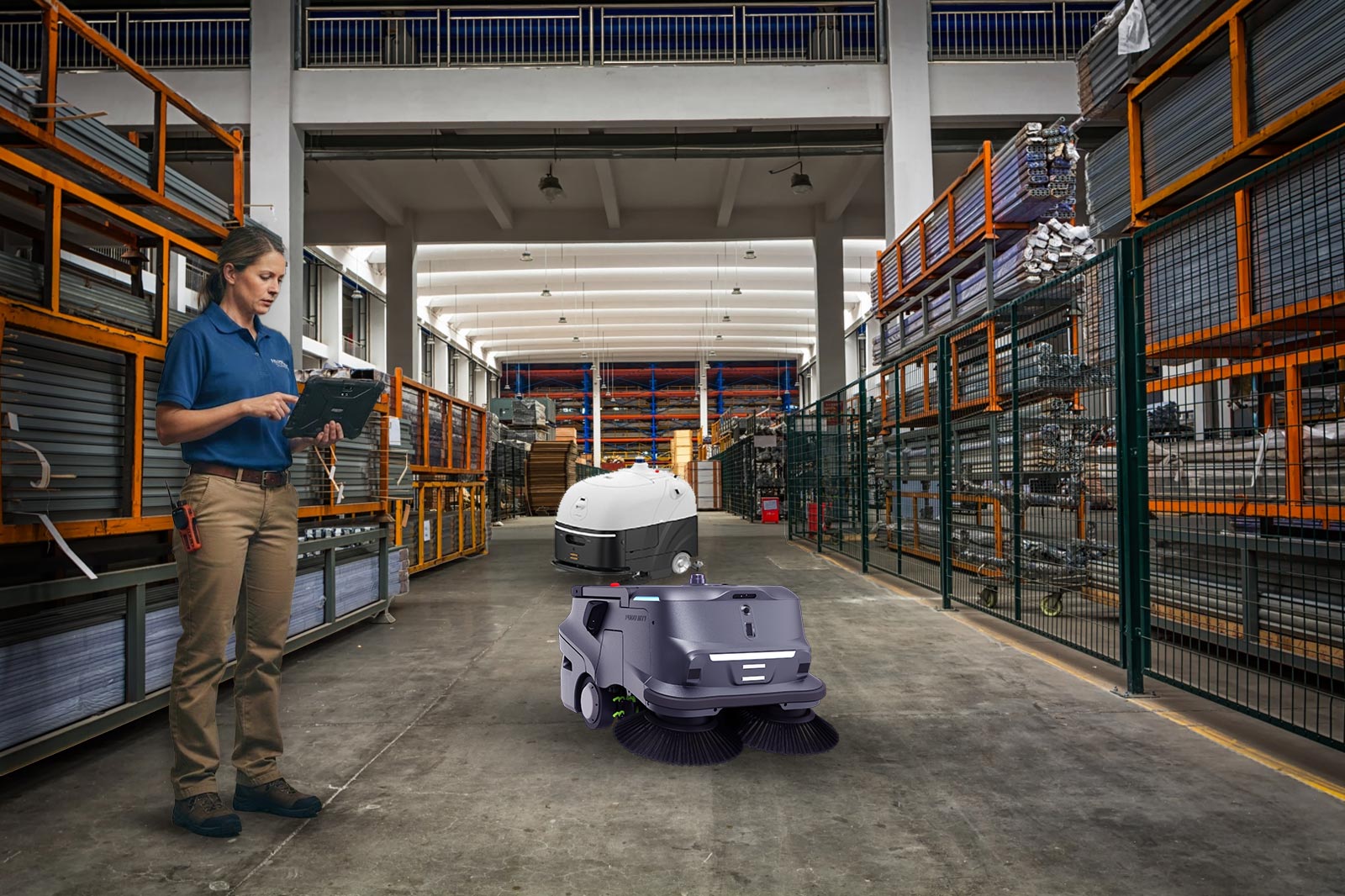
As budgets tighten and operational demands increase across facilities of all types, leaders are being asked a familiar question: How can we do more with less? It’s a question that resurfaces every year, but in 2026 it carries an extra sense of urgency. Inflationary pressures, persistent labor shortages, and rising expectations from stakeholders mean that facility teams must find smarter, more efficient approaches to delivering consistent results with finite resources.
Robotic automation is gaining real momentum as a solution to this problem, with autonomous robots now helping facilities stretch every dollar and hour of labor further. That said, the true financial impact of automation isn’t necessarily saving money on labor in the traditional sense. It’s also about maximizing how existing labor is put to work—a concept better captured by Return on Labor (ROL) than conventional Return on Investment (ROI).
Let’s explore why this shift in perspective matters, and how autonomous robots are playing a strategic role in facility operations planning.
Rethinking ROI: The Case for Return on Labor (ROL)
When facility managers first evaluate automation, they often frame the question around traditional ROI: Will this robot save us money? While cost savings are undeniably part of the picture, focusing solely on dollars leaves a bigger opportunity unexamined.
Instead, Return on Labor (ROL) focuses on how labor is utilized—and how robots enable facilities to get more value from the workforce they already have. This shift in perspective can be powerful, especially in an environment where labor is both expensive and difficult to retain.
Consider floor cleaning. The average commercial facility can require an entire shift’s worth of labor just to keep floors clean—a necessary but repetitive chore. Robots take on this continuous work extremely well, and while they may not “replace” staff, they free human workers from low-value tasks, allowing that labor to be redeployed. That means custodial teams can focus on detail work, sanitization, specialized cleaning, and other responsibilities that directly support facility quality and safety. Or, in a retail setting, it means store employees can spend less time cleaning floors, and more time performing high-value work like keeping shelves stocked, sanitizing critical areas, and interacting with customers.
Instead of spending hours pushing a mop or operating a scrubber, staff can manage robots, analyze performance data, and execute tasks that require judgment and expertise. This shift leads to two key outcomes:
- Higher workforce productivity. Labor hours are spent where they have the greatest impact.
- Greater job satisfaction. Staff are less burdened by monotonous work, which supports retention and morale.
In 2026, facilities that view automation through the lens of ROL (and not just ROI) are the ones getting the most strategic advantage from their budgets.
How Automation Supports Tight Budgets
While ROL captures the human-side value of automation, facilities still need to justify investments at the budget table. Here are several practical ways autonomous robots translate into measurable financial benefit:
Reduced Dependence on Overtime and Temp Labor
During peak seasons, many facilities resort to overtime or temporary workers to keep up with cleaning and maintenance demands. Autonomous robots can run during off-peak hours or overnight, reducing the need for costly overtime and last-minute labor solutions.
Stable Operations Despite Labor Fluctuations
Hiring and retaining staff remains a challenge—especially for roles that involve physically demanding and repetitive tasks. By deploying robots in routine roles, facilities gain consistency regardless of labor market conditions. This stability is a key budgetary advantage when planning staffing costs for the year ahead.
Better Use of Skilled Labor
In facilities with salaried or specialized teams, such as hospitals, universities, and K-12 campuses, labor is both valuable and costly. Robots allow skilled staff to focus on mission-critical work that truly requires human expertise, rather than monotonous operational chores. This doesn’t just save time, but also significantly enhances the quality of human labor deployed. In environments where quality control, patient experience, or visitor satisfaction are key success metrics, that difference matters.
Predictable Operational Costs
Unlike labor, which fluctuates with wage changes, turnover, and overtime, robot operating costs are stable and predictable. Electricity, maintenance cycles, parts and consumables are known quantities, making it easier for facility leaders to forecast and control budgets.
Consistent Results Protect Your Facility and Brand
Beyond direct budget considerations, automation enhances consistency—another form of financial value. Robots don’t get tired. They don’t skip steps. They don’t vary in performance the way a human might when juggling multiple priorities. This predictable output supports everything from:
- Slip-and-fall risk reduction
- Safer high-traffic spaces
- Better compliance with cleaning standards
- Enhanced visitor satisfaction and perception
These outcomes may not show up line-by-line in a budget document, but they do show up in reduced liabilities, stronger compliance, and better occupant experience—all of which support long-term financial health.
Freed-Up Labor Drives Organizational Performance
When robots take over repetitive responsibilities, human staff are freed for work that makes a real impact. That’s the essence of ROL.
Instead of dedicating employee time to sweeping floors or pushing scrubbers, custodial teams can:
- Focus on detailed sanitation in high-touch areas
- Handle specialized cleaning requests
- Manage preventive maintenance
- Upskill by becoming Bot Managers and Bot Operators
- Interact with customers in meaningful ways
This reallocation of labor enhances both workforce morale and operational impact—two factors that contribute to stronger retention and long-term staffing stability.
Facilities that adopt this mindset see automation not as a cost-cutting tool, but as a labor augmentation strategy—leveraging machines for repetitive tasks and people for strategic value.
Make ROL Part of Your Plan This Year
As you build your operational and capital budgets for the new year and beyond, consider how automation can serve not just your bottom line, but your labor strategy. A successful automation deployment should:
- Free staff from repetitive tasks
- Improve consistency and quality of service
- Be easily scalable across facilities
- Deliver predictable and measurable returns on labor
- Allow for strategic redeployment of employee labor
By prioritizing ROL in your planning discussions, you’ll be better equipped to demonstrate both immediate and long-term benefit—not just in dollars saved but in people empowered to do more.
If you’re interested in seeing what the cleaning automation ROI would look like for your facility, get in touch with our team today.
Leave a comment below...