Blog
Automation as Risk Management
Back to Blog(s)
February 10 2026
February 10 2026
How Robots Help Facilities Reduce Liability
<Image Source: FreePik>
Facility operations have always carried risk, but today that risk is more visible (and more costly) than ever. Staffing shortages, rising injury claims, stricter compliance standards, and heightened public expectations have transformed cleaning from a background task into a frontline concern. Accordingly, facilities should consider viewing autonomous cleaning robots not simply as efficiency tools, but as a strategic way to reduce liability and manage operational risk.
Automation introduces consistency, documentation, and predictability—three elements that are often missing in manual processes, but are essential for risk mitigation.
Understanding Risk in Modern Facility Operations
Risk in facilities comes in many forms. There is physical risk, such as employee injuries or guest accidents. There is regulatory risk, tied to compliance and inspection readiness. And there is reputational risk, where visible cleanliness directly affects trust in the organization.
Traditional approaches to risk management rely heavily on training, supervision, and manual checklists. While important, these systems depend on human consistency—something that becomes increasingly difficult to maintain across large teams, multiple shifts, and sprawling campuses.
Autonomous robots change this equation by reducing variability at the task level. They do not get fatigued, distracted, or rushed. They execute cleaning routines exactly as programmed, every time.
Reducing Slip-and-Fall Liability Through Consistent Cleaning
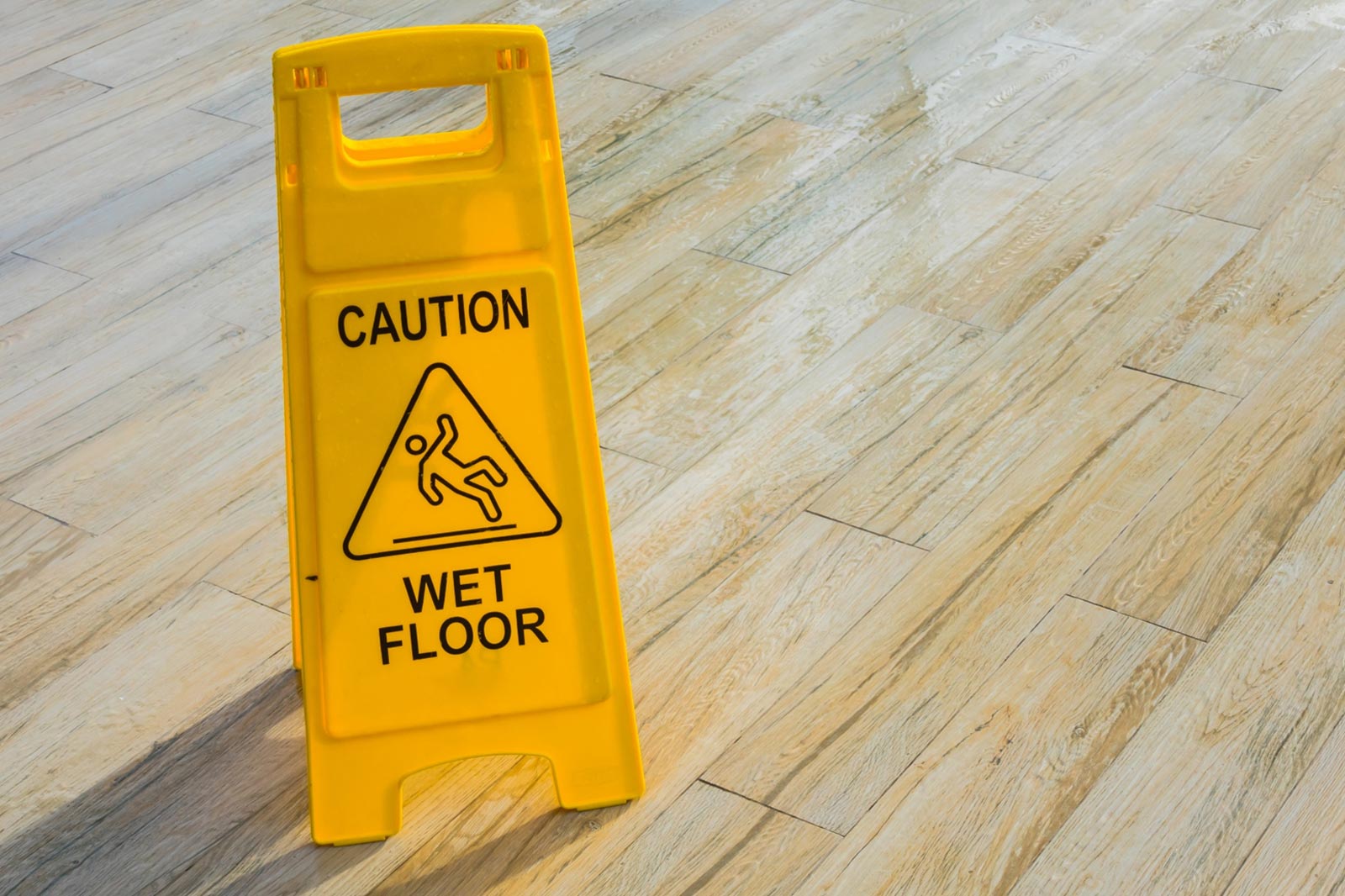
Slip-and-fall incidents remain one of the most common and expensive sources of facility liability. Wet floors, debris accumulation, uneven coverage, residue left behind after manual mopping, or missed areas all increase the likelihood of accidents.
Autonomous floor cleaning robots are designed to apply controlled amounts of solution, maintain consistent pressure, and follow precise paths. This results in more uniform cleaning and drying, reducing the likelihood of slick spots or uneven surfaces.
Just as important, robots operate the same way regardless of staffing levels or time of day. Whether cleaning occurs early in the morning, late at night, or continuously during business hours, the outcome remains consistent and safe.
Protecting Workers by Reducing Physical Strain
Custodial work is physically demanding. Repetitive motions, long hours on hard floors, and manual equipment all contribute to musculoskeletal injuries and chronic pain. Over time, these injuries lead to workers’ compensation claims, lost workdays, and higher turnover.
By assigning repetitive floor care tasks to autonomous robots, facilities significantly reduce the physical burden placed on staff. Employees are no longer required to push heavy equipment or repeat the same motions for hours at a time.
Instead, workers can focus on tasks that require judgment and attention to detail, like spot cleaning, maintenance, and service-oriented responsibilities. This shift not only improves safety but also supports longer, healthier careers for facility staff.
Limiting Chemical Exposure and Environmental Risk
Another often-overlooked source of risk is chemical exposure. Traditional cleaning methods require frequent handling of concentrated solutions, which can irritate skin, eyes, and respiratory systems.
Autonomous robots help standardize chemical usage by applying consistent amounts and reducing overuse. This limits direct exposure for workers and supports safer indoor environments, especially in sensitive settings such as healthcare facilities, schools, and assisted living communities.
Reducing chemical variability also lowers the risk of surface damage, indoor air quality issues, and compliance concerns related to chemical handling and storage.
Documentation as a Form of Liability Protection
In many industries, being able to prove what was done is just as important as doing the work itself. When incidents occur, facility leaders are often asked to demonstrate that proper cleaning protocols were followed.
Autonomous robots automatically generate detailed records of cleaning activity, including run times, routes, coverage areas, and frequency. When used in conjunction with an FMS like Pringle NOC, this data is centralized and instantly accessible, comprising a verifiable history of care without relying on manual logs or after-the-fact reporting. These records can be invaluable during audits, inspections, or incident investigations, helping organizations demonstrate due diligence and reduce exposure to legal or regulatory risk.
Managing Reputational Risk with Impeccable Clean
Cleanliness is increasingly tied to public perception. Missed areas, inconsistent results, or visible lapses can quickly damage trust—particularly in hospitals, public buildings, and retail facilities.
Automation helps stabilize cleaning outcomes by ensuring a consistent baseline standard. Even when staffing levels fluctuate or schedules change, robots continue to deliver predictable results. Over time, this reliability helps protect an organization’s reputation and reinforces confidence among occupants and visitors.
From Cost Center to Proactive Risk Strategy
When viewed holistically, autonomous cleaning robots do more than reduce labor costs (or, perhaps more importantly, redirect labor hours towards value-added work). They help facilities lower injury rates, improve compliance readiness, document performance, and maintain safer environments.
In an era where risk management is under constant scrutiny, automation is becoming a key component of a proactive strategy. If you’d like to discover how our autonomous solutions can improve your facility’s risk management approach, get in touch with us today!
Leave a comment below...